MCC950 sodium is a selective small-molecule inhibitor of the NLRP3 inflammasome, a protein complex involved in inflammatory cytokine maturation. Also known as CP-456773 sodium or CRID3, it belongs to the sulfonylurea class.
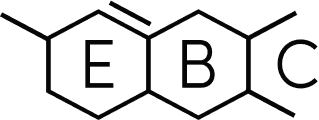
The MCC950 sodium chemical structure comprises a sulfonylurea group linking substituted furan and hexahydro-s-indacene units. Its formula is C20H23N2NaO5S.
Application of MCC950 sodium
Researchers use the MCC950 sodium NLRP3 inhibitor to investigate inflammasome involvement in neuroinflammatory, metabolic and autoinflammatory models. Pairing IL-1β measurements with TNF-α, cell viability and genetic controls helps distinguish NLRP3 inhibition from broader changes in cell function. Comparing responses to NLRP3 and alternative inflammasome stimuli strengthens the interpretation.
In Vitro
The MCC950 NLRP3 inhibitor reduced IL-1β release with IC50 values of approximately 7.5 nM in mouse bone marrow-derived macrophages and 8.1 nM in human monocyte-derived macrophages. Under the conditions tested, it spared AIM2, NLRC4 and NLRP1 inflammasome responses and did not suppress NLRP3 priming.
For experiments using the MCC950 sodium salt, solvent choice should follow the batch documentation. Supplier data disagree on DMSO solubility, so stock preparation requires confirmation for the material supplied.
In Vivo
The NLRP3 inhibitor MCC950 reduced disease severity in experimental autoimmune encephalomyelitis in mice at 10 mg/kg intraperitoneally. In a neonatal model of NLRP3-associated autoinflammation, 20 mg/kg improved survival and reduced circulating IL-18. Dose, route and treatment timing should be matched to the published model, with cytokine measurements used to assess the inflammatory response.
Biochemical and Physiological Actions
Studies relating the MCC950 sodium structure to its binding interactions identified the NACHT domain of NLRP3 as the molecular target. Blocking ATP hydrolysis inhibits NLRP3 activation and subsequent inflammasome assembly, reducing caspase-1 activation and IL-1β and IL-18 maturation.
In non-canonical activation experiments, downstream IL-1β release was inhibited while caspase-11-associated membrane damage persisted. Cytokine release and cell lysis therefore need separate readouts. This selectivity does not establish that immune function remains unchanged across tissues or dosing regimens.
Features and Benefits of MCC950 sodium
Nanomolar activity in primary human and mouse macrophages supports comparisons across species. The MCC950 sodium molecular weight is 426.46 g/mol; using the free-base value would introduce an error in stock concentration calculations.
Match CAS 256373-96-3 to the sodium form when selecting reference material. Enamine supplies the Pfizer MCC950 sodium reference compound for research under agreement with Pfizer; batch documentation should guide identity and formulation checks.


 Powered by Bioz